loader

How Telehealth Speech Therapy Helps Seniors Improve Swallowing Function

Apr 15, 2026

Swallowing Speech Therapy

How Telehealth Speech Therapy Helps Seniors Improve Swallowing Function

Swallowing is something most people don’t think about until it becomes difficult. For many older adults, changes in muscle strength, coordination, or underlying medical conditions can make eating and drinking challenging.

This condition, known as dysphagia, can affect nutrition, hydration, and overall health. Fortunately, speech therapy for dysphagia plays a vital role in improving swallowing function. Today, with the rise of telehealth dysphagia therapy, seniors can receive expert care from the comfort of home.

Early intervention is key. With timely speech therapy for swallowing disorders, seniors can eat safely, regain confidence, and maintain a better quality of life.

Understanding Swallowing Problems in Seniors

Swallowing difficulties, known as dysphagia, make it hard to move food or liquids safely from the mouth to the stomach. It can affect any stage of swallowing, from chewing to passing food through the throat.

In seniors, dysphagia is often caused by:

  • Stroke
  • Parkinson’s disease
  • Neurological conditions
  • Age-related muscle weakness

Common symptoms include:

  • Coughing or choking during meals
  • Difficulty swallowing food or liquids
  • Food feeling stuck in the throat
  • Unexplained weight loss

Early recognition is key. With timely speech therapy for dysphagia, seniors can improve swallowing safety and avoid complications.

Why Swallowing Rehabilitation Is Important for Seniors

Ignoring swallowing difficulties can lead to serious complications, such as:

  • Aspiration pneumonia
  • Malnutrition
  • Dehydration
  • Reduced quality of life

Speech therapy for swallowing disorders focuses on:

  • Improving swallowing safety
  • Strengthening swallowing muscles
  • Supporting proper nutrition and hydration

With the right therapy plan, many seniors experience noticeable improvements in their ability to eat and drink comfortably.

How Telehealth Speech Therapy Supports Dysphagia Treatment

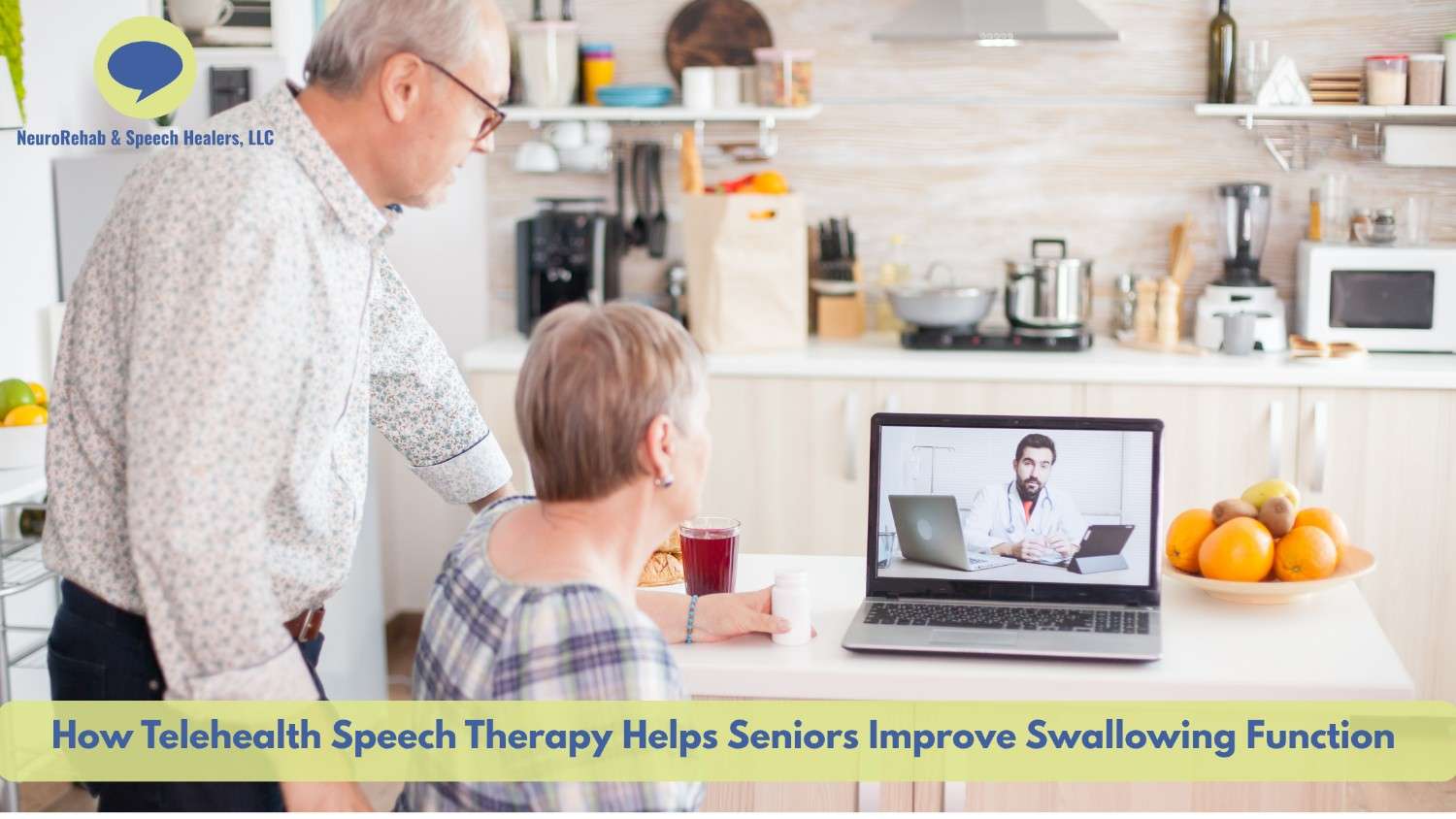
Telehealth dysphagia therapy allows seniors to receive expert care through virtual sessions with licensed speech-language pathologists. Using secure video platforms, therapists can assess swallowing function and guide patients through exercises in real time.

A typical session may include:

  • Detailed assessment of swallowing difficulties
  • Creation of personalized therapy plans
  • Guided swallowing techniques and exercises
  • Ongoing monitoring and adjustments

This approach ensures that therapy remains consistent and tailored to individual needs.

Speech Therapy Techniques Used for Swallowing Disorders

Effective speech therapy for swallowing disorders combines multiple techniques to improve safety, strength, and coordination during eating and drinking.

  • Swallowing Muscle Strengthening Exercises: Targeted exercises help improve the strength and coordination of muscles involved in swallowing.
  • Safe Swallowing Techniques: Therapists teach strategies to reduce choking risk and improve swallowing efficiency.
  • Diet and Texture Modifications: Adjusting food textures and liquid thickness can make swallowing safer and more manageable.
  • Breathing and Posture Training During Meals: Proper posture and breathing techniques play a vital role in safe swallowing.

Benefits of Telehealth Speech Therapy for Seniors

Telehealth makes speech therapy for dysphagia more convenient and accessible, helping seniors receive consistent care without the challenges of travel.

  • Access to Specialized Dysphagia Therapy: Seniors can connect with experienced therapists without traveling long distances.
  • Comfortable Therapy From Home: Familiar surroundings help reduce anxiety and improve participation during sessions.
  • Consistent Monitoring and Progress Tracking: Regular virtual sessions ensure steady progress and timely adjustments to treatment.
  • Family and Caregiver Involvement in Therapy: Caregivers can actively participate, learning how to support safe eating habits at home.

Conditions in Seniors That May Require Dysphagia Therapy

Swallowing therapy is often recommended for seniors with:

  • Stroke recovery
  • Parkinson’s disease
  • Dementia and cognitive decline
  • Age-related muscle weakness

Early therapy can significantly improve outcomes in these conditions.

Tips for Improving Swallowing Function at Home

  • Follow therapist-recommended swallowing exercises
  • Maintain proper posture while eating
  • Eat slowly and take smaller bites
  • Stay well-hydrated
  • Attend regular telehealth therapy sessions

Consistency is key to successful swallowing rehabilitation.

When Seniors Should Seek Speech Therapy for Swallowing Disorders

Consider seeking professional help if there are signs such as:

  • Frequent choking during meals
  • Difficulty swallowing liquids or solids
  • Recurrent chest infections
  • Fear or avoidance of eating due to swallowing difficulties

Prompt evaluation can prevent complications and improve recovery.

Better Swallowing Starts With Care!

Swallowing disorders can deeply impact a senior’s health, nutrition, and confidence. However, with the right support, these challenges can be effectively managed.

Telehealth dysphagia therapy makes speech therapy for dysphagia more accessible, flexible, and consistent, allowing seniors to receive high-quality care without leaving home. With early intervention and guided swallowing rehabilitation, seniors can enjoy safer eating and a better quality of life.

Improve Swallowing With NeuroRehab & Speech Therapy in New York & New Jersey

Struggling with swallowing difficulties can feel overwhelming, but the right help makes a difference. At NeuroRehab & Speech Healers, our professional speech therapy for swallowing disorders offers structured, personalized care to improve safety and comfort during meals.

Connect today to get started.

FAQs

  • Can swallowing disorders in seniors be treated through telehealth speech therapy?

Yes, telehealth speech therapy is highly effective for managing dysphagia. Therapists can assess, guide exercises, and monitor progress through virtual sessions.

  • How do speech therapists diagnose dysphagia during a telehealth session?

They evaluate symptoms, observe swallowing patterns via video, review medical history, and may recommend further tests if needed.

  • What exercises are commonly used in speech therapy for dysphagia?

Exercises typically focus on strengthening swallowing muscles, improving coordination, and practicing safe swallowing techniques.

  • Is telehealth dysphagia therapy safe for seniors with severe swallowing problems?

It can be safe with proper guidance, but severe cases may require in-person evaluation or medical supervision alongside telehealth support.

  • How long does swallowing rehabilitation usually take for older adults?

Recovery time varies based on the cause and severity. Some seniors improve in weeks, while others may need ongoing therapy for several months.

How Telehealth Speech Therapy Helps Seniors Improve Swallowing Function
How Virtual Therapy Helps Recover Language Skills Following Brain Injury
Teletherapy for Aphasia: How Technology Helps Rebuild Language Skills
Top Benefits of Telepractice Speech Therapy for Kids
How Virtual Therapy Expands Access to High-Quality Speech Care
Book Now Call Us

Color Contrast

Bigger Text

Text Align